Gheysha: A Handwritten Font for Modern Branding
It was 8:45 AM, and I was finalizing the last details for a seasonal product launch. The client wanted something fresh, elegant, and approachable—something that would stand out on social media but still feel professional. That’s when I landed on Gheysha.
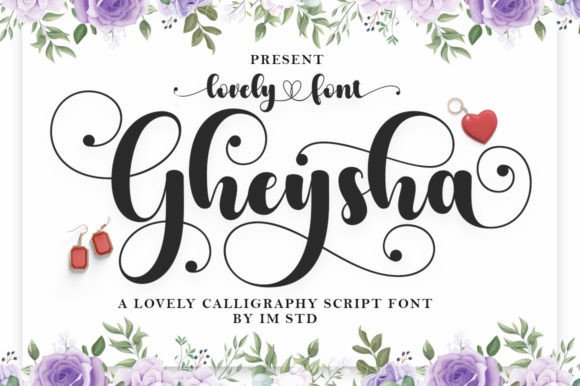
Gheysha is a beautiful and delicate handwritten font with a classically modern edge. It feels like a personal touch in a digital world. The curves are soft, the strokes are clean, and there’s an unmistakable warmth to it. It's not overly ornate, but it carries enough character to make headlines pop without overwhelming the message.
How Gheysha Fitted Into the Campaign
I used Gheysha as the primary typeface for the campaign header in the product teaser graphic. It worked perfectly over a pastel background, giving the design a sense of sophistication while keeping it inviting. The font's subtle variations in stroke width helped create visual interest, which is essential for catching attention in fast-scrolling feeds.
For the Instagram post, I paired Gheysha with a minimalist sans serif font for the supporting text. This contrast gave the content a balanced look—Gheysha handled the headline, while the sans serif took care of the call-to-action. It felt intentional, not forced.
On YouTube, the thumbnail needed to be clear even at small sizes. I tested Gheysha at different scales and found that it maintained its legibility well, especially when using bold weights or adjusting spacing. It wasn’t too intricate for a thumbnail, yet it still carried the right amount of personality.
Where Gheysha Shines Best
Gheysha works exceptionally well for short headlines, callouts, and decorative titles. It’s ideal for brand logos, invitation designs, and promotional banners where you want a touch of elegance without sacrificing readability. In my campaign, it performed best when used sparingly—like on a hero section header or as a tagline overlay.
When designing a Pinterest pin for the same campaign, I layered Gheysha over a high-quality image. The font didn’t compete with the visuals; instead, it complemented them. It also looked great on dark backgrounds, which is rare for script fonts. That flexibility made it a go-to choice for multiple assets within the same campaign.
For email banners, I used Gheysha in a lighter weight to avoid cluttering the layout. It helped guide the reader’s eye naturally from the subject line to the body content. The font’s modern feel matched the overall tone of the brand, reinforcing consistency across all channels.
Readability Tips and Limitations
While Gheysha is visually appealing, it’s important to use it wisely. It excels in display text but isn’t suitable for long paragraphs or dense information blocks. Tiny text can lose its clarity, so always test how it looks on mobile screens and in thumbnails.
Also, avoid using it on very busy backgrounds. Its delicate lines can get lost if the contrast isn’t strong enough. For formal corporate communication, consider pairing it with a more structured typeface to maintain professionalism.
One thing I noticed during testing was that Gheysha’s PUA encoding allowed access to alternate characters and ligatures, which added a nice layer of customization. This feature was especially useful when creating branded templates or custom illustrations.
Font Pairing and Practical Use
To ensure the typography system stayed cohesive, I paired Gheysha with a clean sans serif like Helvetica Neue for body text. This combination offered a great balance between elegance and readability. For a more editorial feel, a serif font like Georgia could work well, depending on the context.
Before integrating Gheysha into any campaign, I always check the licensing terms. Since this is a commercial font, it’s crucial to confirm that it’s permitted for use in ads, merchandise, or client deliverables. Also, verifying multilingual support ensures that the font remains consistent across global campaigns.
In the end, Gheysha became a key asset in the campaign. It brought a unique voice to the visuals and helped differentiate the brand from competitors. Whether it was on a social media post, a banner ad, or a landing page, it consistently delivered the right tone and impact.